Skip to content

Cart

Your cart is empty

Goro Site

size:
Sale price$28.50 USD

We’re thrilled to bring on our first Ethiopian coffee of the season! This coffee comes from the Goro Site washing station in Uraga, Guji. This washing station was first built in 2013, and was taken over by Habtamu Fekadu Aga in 2020, who has since implemented many quality control innovations including a new pulping machine to create more homogenous lots. The site currently has 7 permanent workers and over 100 seasonal workers. Goro Site supports the surrounding community through aiding in nearby elementary school renovations and offering interest-free payments to farmers for their crop prior to the harvest.

After harvesting, cherries are machine-sorted and pulped, leaving about 10% of mucilage on the bean to ferment for 24 hours. Then, the beans are hand washed and laid out to dry for 9-12 days under protection from direct sunlight until ideal moisture content is reached. We purchased coffee from Habtamu’s Danche Site in Yirgacheffe last year, and this lot is another beautiful example of the excellent coffees their teams produce. This coffee is delicate and expressive, with notes of juicy apricot and blackberry and a jasmine tea finish.


Region    Uraga, Guji
Altitude   2010-2250 MASL
Process  Washed 
Varietal  Ethiopian Landrace

Goro Site
Goro Site Sale price$28.50 USD

Sorting Level

5-6%

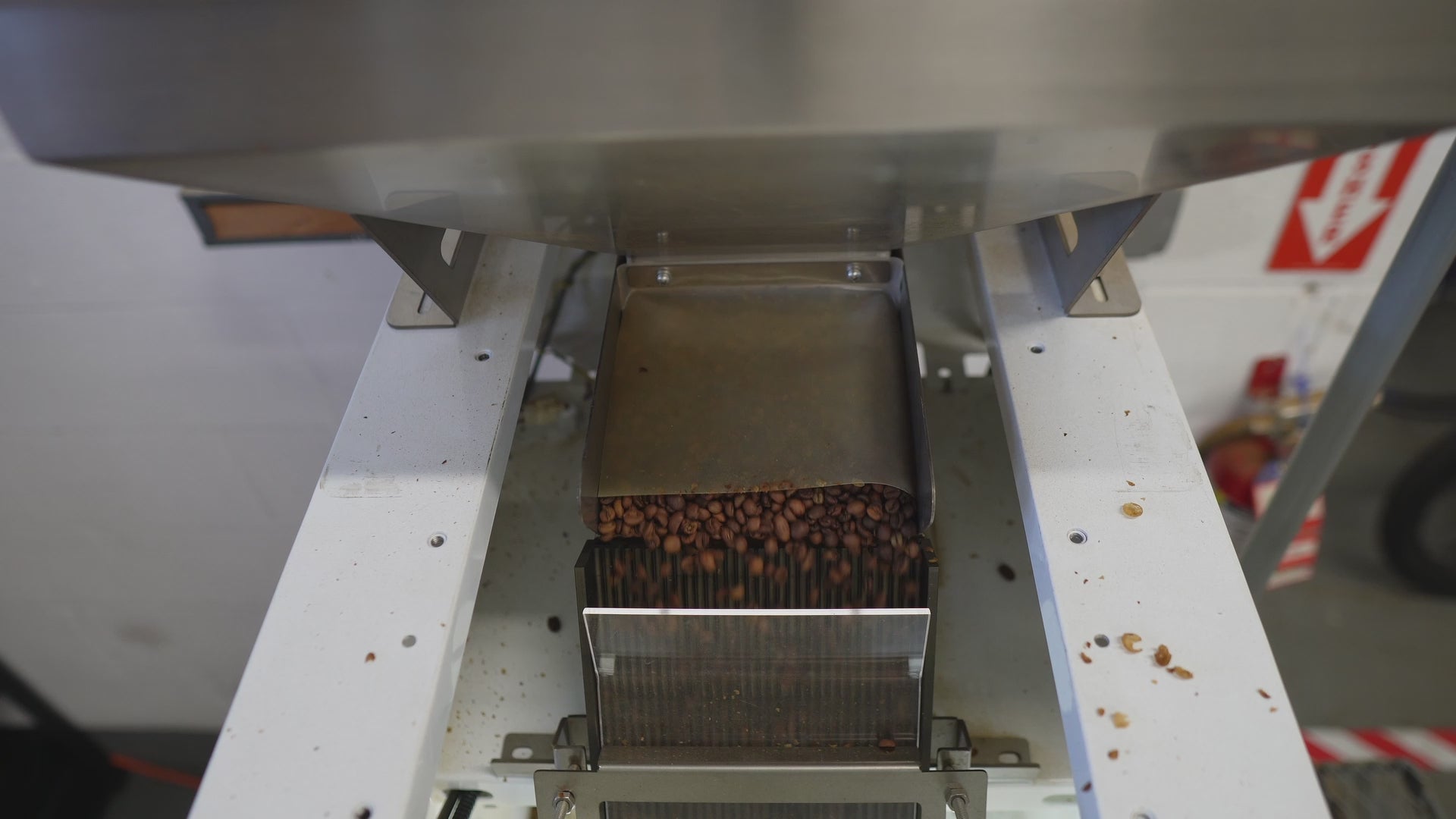
All our roasted coffees are run through an AI-powered optical sorter. This extra step ensures that you receive only the most nutrient-dense, flavorful coffees from each lot. The machine is also capable of removing any foreign objects (corn, metals, rope, to name a few) from the rest of the coffees.

The higher the percentage, the more coffee is being removed in order to achieve a truly pristine product. We liken this to how sake-makers "polish" during production in order to reach a higher-quality product.

Nothing goes to waste: the rejected coffees are re-roasted and sold to local markets.
Variety / Cultivar

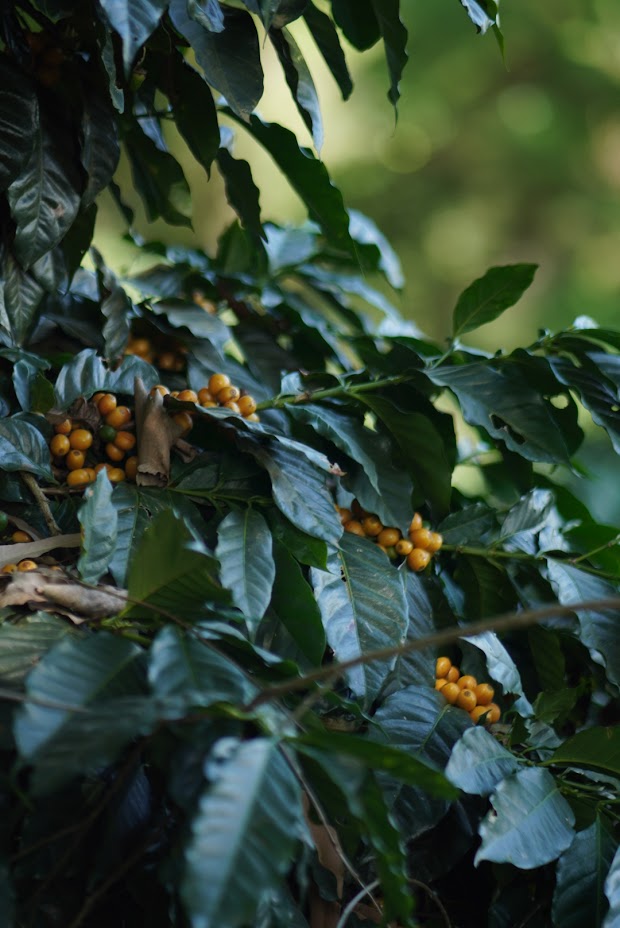
Guji Heirlooms

The coffee trees in this area are a mix of indigenous varietals of the
Guji area, as well as disease-resistant varietals from the
Jimma Agricultural Research Center (JARC).

Related Coffees